Most homes waste energy in the same handful of places, and most of those leaks cost little or nothing to fix. You don't need a renovation, a smart-home overhaul, or a big budget to use noticeably less energy. You need to know where the waste hides, do the cheap, high-impact things first, and then check whether it actually worked.
This guide walks through that order: find the waste, seal and adjust what you can for free or cheap, upgrade the things that pay you back, and measure the result. Greener and lower bills usually point the same direction here — but where they don't, we'll say so.
Where home energy actually goes
Before changing anything, it helps to know what uses the most. In a typical home, heating and cooling are the biggest single share of energy use, followed by water heating, then appliances, lighting, and everything else. That order matters: a few degrees on your thermostat moves more energy than swapping every bulb in the house.
So the rule of thumb is simple. Spend your attention on heating, cooling, and hot water first. The small stuff is worth doing, but it's the finishing, not the foundation.
Step 1: Find the waste (mostly free)
You can't fix leaks you can't see. A quick walk-through tells you most of what you need.
- Feel for drafts. On a windy or cold day, run your hand around window frames, door edges, the attic hatch, and where pipes enter walls. Moving air means wasted heating or cooling.
- Look at your bills over a year. A big seasonal spike points at heating or cooling; a high steady baseline points at always-on loads like water heating, a second fridge, or old appliances.
- Find the energy vampires. Devices that sit on standby — TVs, consoles, chargers, set-top boxes — draw power around the clock. Individually small, collectively real.
If you want hard numbers, a cheap plug-in energy monitor tells you exactly what a given appliance draws. It's optional, but useful when you're guessing between two suspects.
Step 2: Seal and adjust (cheap, fast wins)
These are the changes with the best return for the least money, which is why they come first.
Stop the drafts
Weatherstripping and a tube of caulk are inexpensive and stop conditioned air from leaking out. Seal around doors, windows, and gaps where pipes or cables pass through walls. A draft stopper at the bottom of an exterior door is a five-minute fix that you'll feel immediately.
Adjust the thermostat
The cheapest energy is the energy you don't use. Setting the thermostat a degree or two lower in winter and higher in summer, and easing off when no one's home, cuts heating and cooling load without any purchase. A programmable or smart thermostat automates this; it costs money, so it earns its place only if your schedule varies and you'll actually use the scheduling.
Lower the easy loads
Wash clothes in cold water, run only full loads in the dishwasher and washing machine, and air-dry when you can. Turn off standby devices with a switched power strip. None of this changes how you live much, and it trims the steady baseline.
Step 3: Upgrade what pays you back
Once the free wins are done, some purchases are genuinely worth it — judged by how much energy they save versus what they cost.
- LED lighting. If you still have old incandescent or halogen bulbs, LEDs use a fraction of the energy and last far longer. Replace the most-used lights first; that's where the savings land.
- Insulation. Adding or topping up insulation, especially in the attic, is one of the highest-impact upgrades for heating and cooling. It costs more and is less glamorous than gadgets, but it keeps paying back every season for years.
- Efficient appliances — at replacement time. Don't scrap a working appliance to chase efficiency; the energy and cost of making a new one usually outweigh the savings. But when something dies, choosing an efficient, right-sized replacement (look for a credible efficiency label) locks in lower use for a decade.
The honest trade-off: insulation and appliances cost real money up front. They're worth it over years, not weeks. If your budget is tight, the Step 2 fixes deliver most of the easy savings for almost nothing.
Step 4: Check that it worked
This is the step people skip, and it's the one that tells you the truth. Note your energy use before you start — a recent bill works — then compare a similar period after your changes (same season, roughly the same weather). If the number moved, you know what to do more of. If it didn't, you've learned something cheaper than guessing again.
A simple order of operations
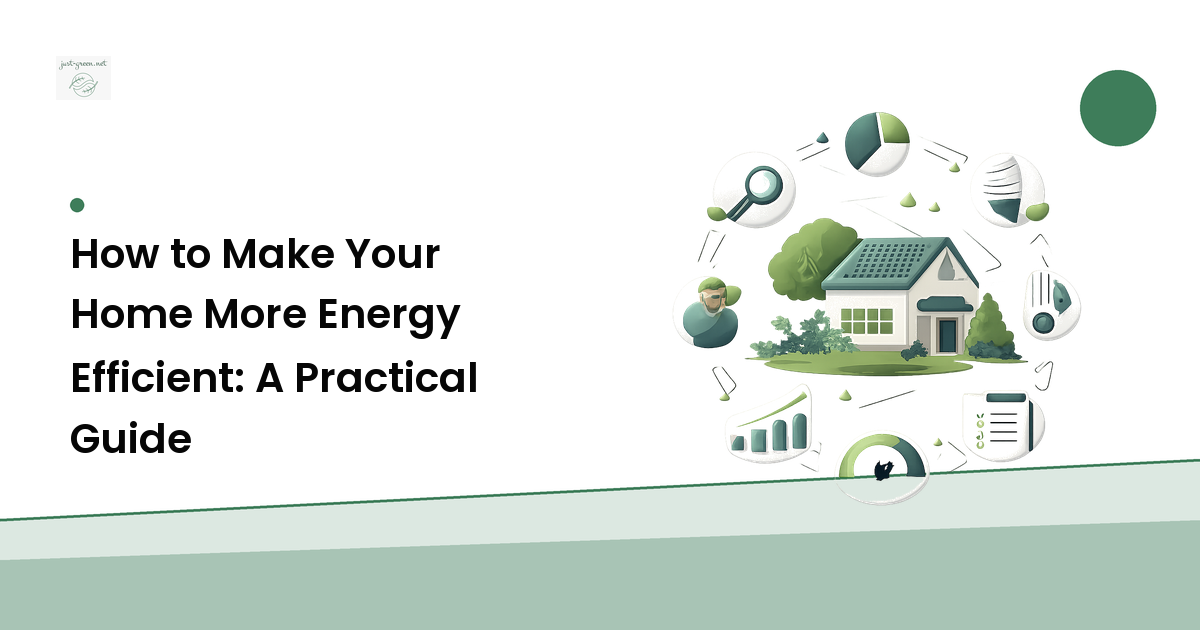
- Find the waste — walk the house, read a year of bills, spot the always-on loads.
- Seal and adjust — caulk, weatherstrip, ease the thermostat, kill standby power.
- Upgrade smartly — LEDs now, insulation when you can, efficient appliances at replacement.
- Measure — compare bills across a similar period to confirm the change.
FAQ
What's the single most effective way to lower my energy bill?
For most homes, adjusting heating and cooling — sealing drafts and easing the thermostat — because that's the largest share of energy use. It also happens to be the cheapest place to start.
Is it worth replacing appliances to save energy?
Only at replacement time. Scrapping a working appliance rarely saves enough to justify the cost and the energy used to build a new one. When something fails, choose an efficient, correctly sized model.
Do smart thermostats actually save energy?
They can, but only if they let you cut heating and cooling when you're away or asleep and you set them up to do that. If your schedule is constant, a simple manual habit saves the same energy for free.
How much can I really save without spending much?
It varies by home, but sealing drafts, easing the thermostat, and cutting standby loads typically make a visible dent for the cost of caulk and a power strip. Measure your own bills to see your real number rather than trusting a headline figure.
Should renters bother with this?
Yes. Draft-stopping, thermostat habits, cold washing, LED bulbs, and switched power strips all travel with you and need no permission. Save the structural upgrades for owners.
Next step
Don't try to do everything at once. Pick the one change that fits your home this week — usually sealing a drafty door or window, or easing your thermostat — do it, and then check your next bill to see if it moved. Small, confirmed wins beat an ambitious plan you abandon.