The best attic insulation for most homes is a thick layer of mineral wool or blown cellulose laid over an attic floor that has been air-sealed first. Both perform well per dollar, handle moisture sensibly, and are widely available. Depth matters more than brand: an under-thick layer of a premium material loses to a generously thick layer of a basic one.
That is the short answer, and it covers the majority of houses. But "which material" is only the second question. The first is whether your attic is ready to be insulated at all — because insulation laid over unsealed gaps, damp timber, or blocked ventilation will underperform and can cause real damage. This guide walks through the order: prepare, choose, and know when the job stops being DIY.
Why the attic is usually the first place to insulate
Heat moves upward. In a heated home, the ceiling is one of the largest continuous surfaces between your warm rooms and the outside, and in an uninsulated house it's often the least protected one. In hot climates the same surface works against you in reverse — a sun-baked roof space radiates heat down into the rooms below and makes cooling run harder.
Attics are also the easiest place to work. Unlike walls or floors, the attic floor is usually accessible, unfinished, and forgiving of an imperfect job. That combination — big surface, big temperature difference, easy access — is why attic insulation is so consistently recommended.
What we won't do is put a number on it. How much energy you save depends on your climate, your existing depth, how you heat and cool, and your local tariffs. Anyone quoting a universal percentage is guessing. What is dependable is the comfort: a properly insulated, properly sealed attic makes upstairs rooms less cold in winter and less stifling in summer.
What should you do before you insulate?
Skipping this step is the most common and most expensive mistake. Work through it in order:
- Check for moisture and leaks. Look for water stains on the underside of the roof deck, damp or blackened timber, and daylight where there shouldn't be any. Fix the roof before you insulate — insulation traps moisture against materials that need to dry.
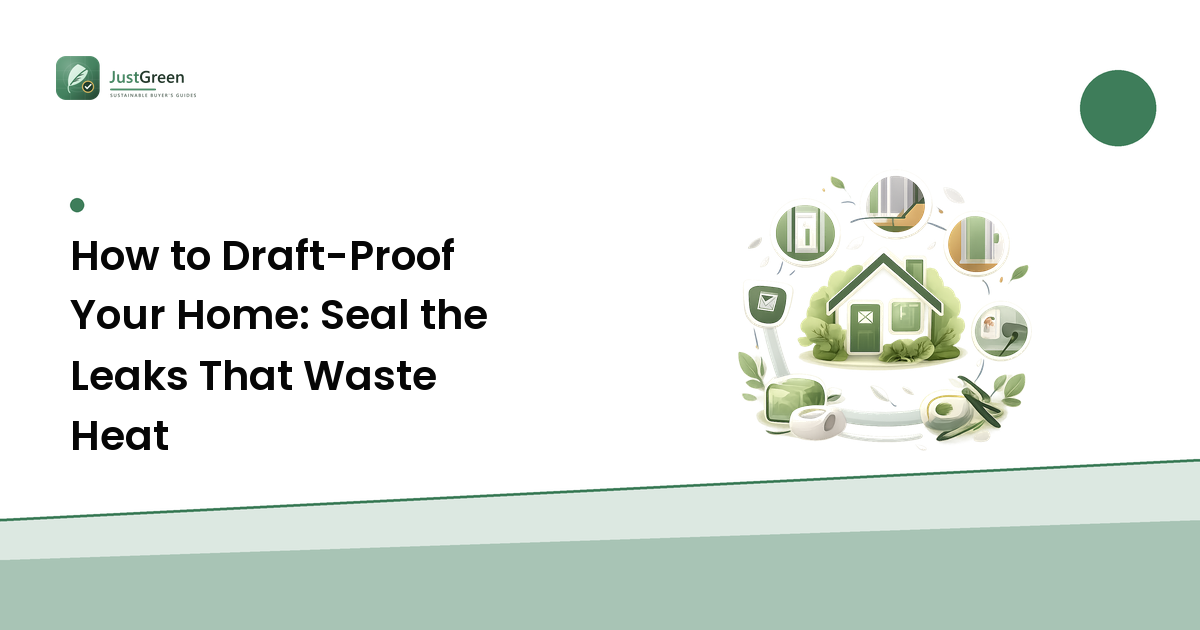
- Air-seal the attic floor. Seal around light fittings, pipe and cable penetrations, the loft hatch, and any gaps at the top of interior walls. Insulation slows conduction; it does almost nothing to stop air rushing straight through a hole. Our guide to draft-proofing your home covers the technique, and the attic hatch itself is one of the biggest single gaps in most houses.
- Sort out the wiring and recessed lights. Old or damaged wiring should be dealt with before it's buried. Recessed downlights that aren't rated for insulation contact must not be covered — use rated covers or have them replaced.
- Confirm the ventilation path. Most attics are designed to be ventilated at the eaves. Don't stuff insulation into the eaves and block that airflow; use baffles to keep a clear channel.
- Measure what's already there. Existing insulation that's dry and intact can usually be topped up rather than removed, which is cheaper and avoids waste.
Only once those five are done is it worth deciding what to buy.
Which attic insulation material should you choose?
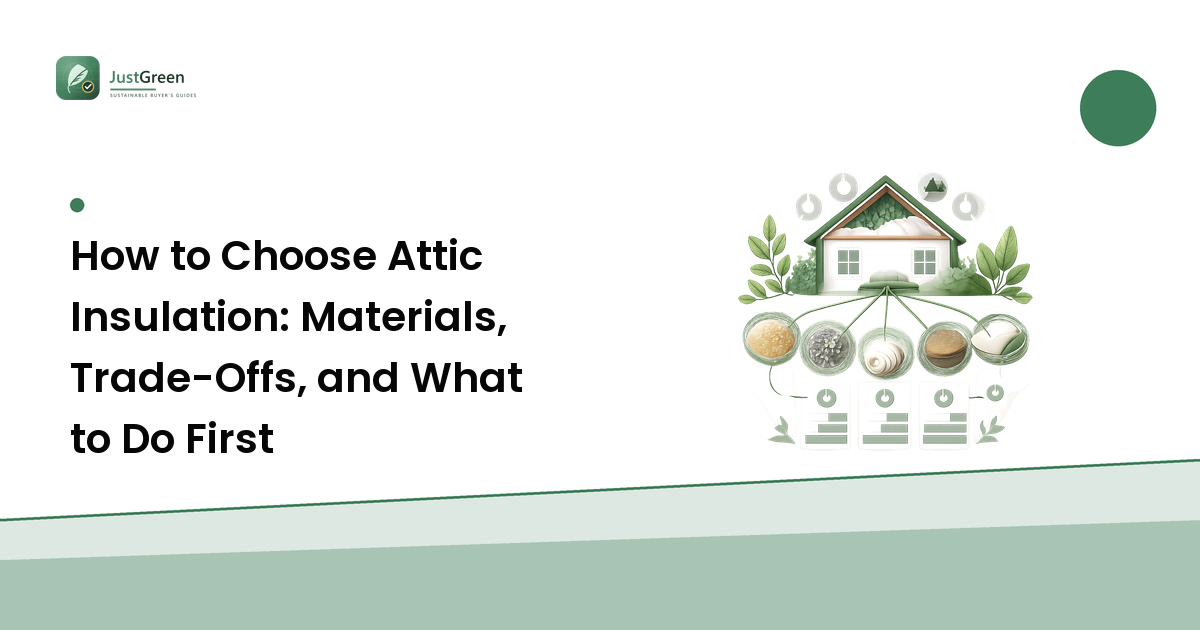
There's no universal winner — the honest answer depends on budget, whether you're doing it yourself, and how much weight you give to end-of-life and material origin.
| Material | Typical form | Cost | Greenness notes | Main trade-off |
|---|---|---|---|---|
| Mineral wool (rock or glass) | Rolls, batts, blown | Low | Mineral-based, high recycled content in many products, non-combustible | Irritant to skin and lungs; needs full PPE |
| Blown cellulose | Loose-fill, blown | Low–moderate | Made largely from recycled paper; low embodied energy | Usually needs a hired blower or installer; can settle over time |
| Sheep's wool | Rolls, batts | High | Renewable, low embodied energy, handles moisture well, pleasant to install | Cost; usually treated against moths |
| Wood fibre | Rigid boards, loose-fill | High | Bio-based, good at buffering summer heat | Cost and bulk; heavier to handle |
| Rigid foam boards (EPS/XPS/PIR) | Boards | Moderate–high | Petrochemical; blowing agents vary a lot by product | High performance per thickness, but poor end-of-life and fiddly to fit around joists |
| Spray foam | Applied on site | High | Petrochemical; effectively permanent | Professional-only; can complicate roof inspection, repairs, and future house sales — get independent advice first |
For a typical accessible attic floor, mineral wool and cellulose remain the default recommendations because they cost the least per unit of performance and are the easiest to install to the right depth. The natural fibres are genuinely nicer materials with a lower-impact story, and they cost meaningfully more — that's a values-and-budget call, and it's a legitimate one to make either way.
How thick does attic insulation need to be?
Thicker than most people expect, and thicker than most existing insulation actually is. Insulation performance is measured as thermal resistance — R-value in North America, R- or U-values elsewhere — and it accumulates with depth. Doubling the depth of a loose-fill layer roughly doubles its resistance.
Recommended depths differ by climate zone and by country, and local building codes and grant schemes set their own minimums. Check the current recommendation for your specific area rather than copying a figure from an article — including this one. Two practical rules hold everywhere: if your insulation is level with or below the tops of the joists, you almost certainly have too little; and adding depth to a cheap material is usually better value than switching to an expensive one at the same thickness.
What about the "eco" and "natural" labels?
Insulation marketing leans hard on green language, and some of it holds up while some doesn't. Recycled content is usually a verifiable claim. "Natural" tells you about origin, not impact. Embodied-carbon claims are worth reading closely, because the manufacturing energy and the blowing agents used in foams differ substantially between products — and figures are often quoted selectively.
The most useful questions are boring ones: what is it made of, what happens to it at end of life, and does the manufacturer publish an environmental product declaration rather than a slogan? Our guide on how to spot greenwashing covers the tells. Worth remembering too: insulation that stays in place and works for decades usually beats a marginally greener material on its manufacturing story alone.
When should you call a professional?
Plenty of attics are a weekend job — laying mineral wool rolls over an accessible, dry, well-ventilated attic floor is genuinely DIY, given a mask, gloves, long sleeves, boards to kneel on, and care around wiring.
Call someone in when the attic is a converted or occupied room, when the roof shows any sign of damp, when access is tight or the ceiling below looks fragile, when knob-and-tube or damaged wiring is present, or when you're considering spray foam or insulating at the roof slope rather than the floor. Those cases involve moisture physics that go wrong expensively, and they're worth paying to get right.
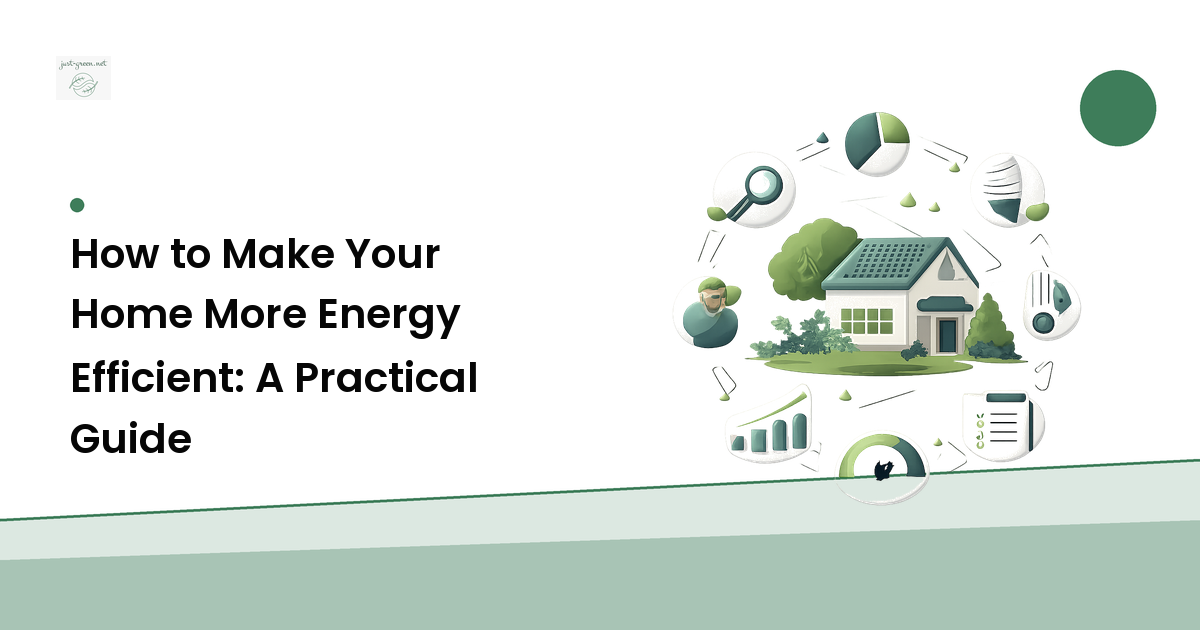
Attic insulation slots into the wider picture of where a home wastes energy — see the energy-efficient home guide for the full order of operations.
FAQ
Can I put new insulation on top of old insulation?
Usually yes, as long as the existing layer is dry, undamaged, and free of pests. Lay new unfaced rolls at right angles across the old ones to cover the joists and reduce gaps. Remove the old material only if it's wet, mouldy, or contaminated.
Is spray foam a good choice for an attic?
It performs well thermally but carries real trade-offs: it's permanent, petrochemical-based, hides the roof structure from inspection, and has caused complications in some property sales and mortgage assessments. Get independent advice specific to your roof type before committing — this is not a decision to make from a sales visit alone.
Does attic insulation help in hot climates too?
Yes. The same layer that keeps heat in during winter slows heat coming down from a hot roof space in summer, easing the load on cooling. Dense, high-mass materials like wood fibre are particularly good at delaying summer heat transfer.
Do I need a vapour barrier?
It depends entirely on your climate and roof construction, and getting it wrong can trap moisture in the structure. In some climates a vapour retarder on the warm side is standard; in others it causes problems. Check your local building guidance or ask a professional rather than defaulting to one.
Is expensive natural insulation worth the extra cost?
On thermal performance alone, generally no — mineral wool and cellulose deliver similar resistance for less money. Natural fibres win on material origin, end-of-life, indoor handling, and summer heat buffering. If those matter to you and the budget allows, it's a defensible choice; if not, spend the money on greater depth instead.
Next step
Start with the preparation, not the product: check for damp, seal the attic floor, protect the vents and lights, and measure what's already up there. Then pick the material that fits your budget and your priorities, and buy enough of it to hit the depth your climate actually calls for. For more practical, no-greenwashing ways to make your home greener one change at a time, and to compare the greenest picks across home and energy categories, visit Just Green.