A greener home and garden is not a renovation, a shopping spree, or a wall of eco-labelled products. Most of it comes down to one quiet idea: buy better and buy less. A durable pan you keep for twenty years, a repair instead of a replacement, a material that lasts and can be composted or recycled at the end — these do more good than a cart full of things stamped "green." The greenest choice is usually the one you don't have to make again for a long time.
The key takeaway up front: prioritise durability, choose materials with an honest full life story, and put your money into the few upgrades that genuinely pay you back. Everything else is detail. This guide is the map for the rest of our home-and-garden guides.
What "Sustainable Home and Garden" Really Means
It is easy to picture sustainability as a look — reclaimed wood, houseplants, a compost bin by the back door. But the real question behind every greener choice is simpler: how much does this thing cost the planet across its whole life, from how it's made to how it's thrown away?
That full-life view has four honest measures worth keeping in your head:
- How long it lasts. A product used for a decade spreads its footprint thin. A disposable one concentrates it.
- What it's made of. Renewable, recycled, or abundant materials generally beat scarce or heavily processed ones — but only if the item still does its job well.
- How much it uses in daily life. Water and energy consumed over years of use often dwarf the impact of manufacturing.
- Where it ends up. Something you can repair, recycle, or compost is kinder than something destined for landfill in one piece.
No product scores perfectly on all four, and that's the point. Sustainability is a set of trade-offs you weigh, not a badge you buy. Once you're thinking in these terms, most decisions get easier — and harder to fool.
Choose Materials That Last
Materials are where a greener home is quietly won or lost. The instinct is to look for the "eco" version of something; the better instinct is to look for the version you'll still be using in ten years.
What makes a material greener
There's no single winner, because it depends on the job. Natural materials like solid wood, wool, cotton, bamboo, stone, and metal tend to age well, can often be repaired, and break down or recycle more cleanly at the end. Plastics are not automatically villains — a durable plastic item kept for years can beat a natural one that wears out fast — but cheap, thin, single-use plastic is almost always the wrong call. The useful test is not "natural versus synthetic" but "how long will this last, and what happens to it after?"
Watch for the hidden costs, too. A material can be renewable yet shipped across the world, or natural yet treated with finishes that stop it composting. This is exactly the kind of vague, half-told story that dressed-up marketing relies on, which is why it pays to read past the green label before you trust it.
The durability-first rule
When two options are close, choose the one that lasts longer — even at a higher upfront price. A pan, a tool, or a pair of boots that survives years of use is greener and usually cheaper per year than a bargain version you replace repeatedly. The savings are real, if slower: you spend once instead of three times, and three worn-out items never reach the bin.
The corollary is just as important: the greenest item is often the one you already own. Repairing, resoling, patching, or refinishing keeps a thing in use and its replacement out of the shop. Before buying greener, ask whether you need to buy at all.
Low-Impact Home Upgrades That Are Worth It
Not every "eco upgrade" earns its place. Some pay you back in comfort and lower bills; others mostly pay the seller. Here's a sane order of priority.
Start with what you already own
Before any purchase, do the free and cheap things. Repair what's broken, service what's inefficient, and change the habits that quietly waste. Draught-proofing gaps, servicing a boiler or heat pump, cleaning appliance filters, and fixing a dripping tap cost little and often save more than a shiny new gadget would. Upgrades built on a leaky, neglected home just leak faster.
Upgrades ranked by impact, not shine
When you do spend, favour the changes that keep giving:
- Sealing and insulating. Stopping heat escaping is usually the highest-return home upgrade there is, because it saves energy every single day for decades. It's unglamorous, and that's a feature.
- Efficient essentials. When something you use constantly wears out — a fridge, a washing machine, a boiler, lighting — replacing it with an efficient model locks in years of lower running costs. Replacing something that still works, purely to upgrade, rarely does.
- Water-saving fittings. Aerators, efficient shower heads, and dual-flush or displacement fixes are cheap and cut both water and the energy used to heat it.
- Durable finishes and fixtures. Choosing long-lasting flooring, paint, and fittings over the cheapest option means fewer redecorations and less waste over the life of the home.
Notice what's not at the top: the visible, aspirational purchases. A green home is built from the boring layers outward, and the biggest wins are the ones nobody sees.
A Greener Garden, in Brief
The garden follows the same logic as the house: work with what's there, feed the system, and buy less over time.
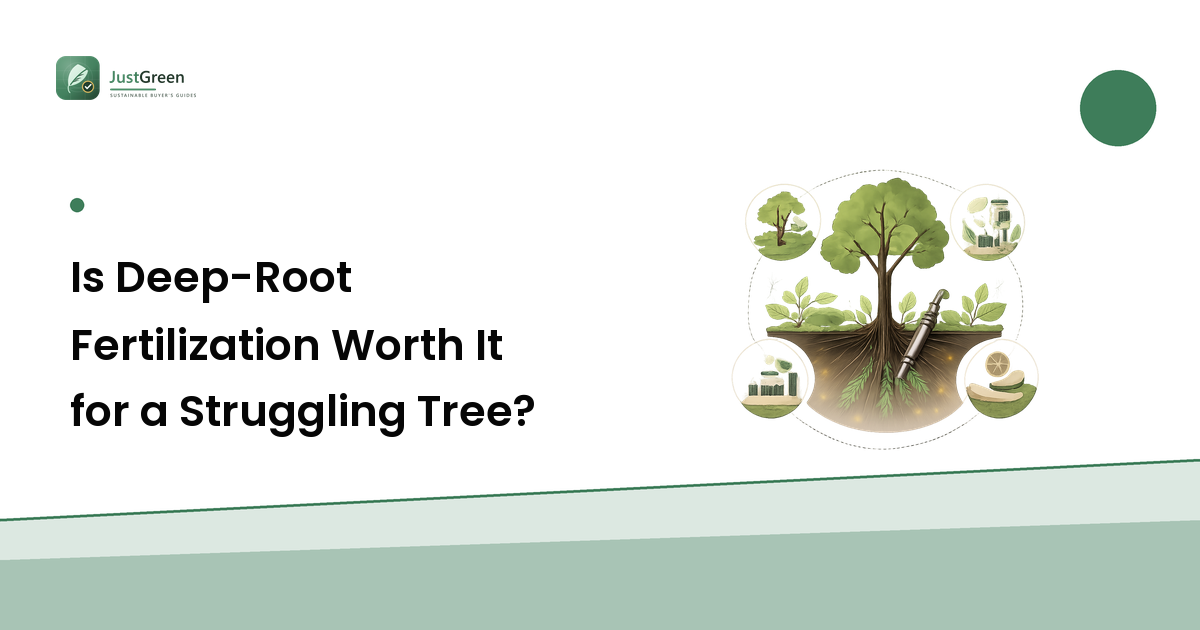
- Feed the soil first. Healthy, living soil grows stronger plants that resist pests and need less watering and feeding. Compost and mulch are the cheapest, lowest-waste inputs there are.
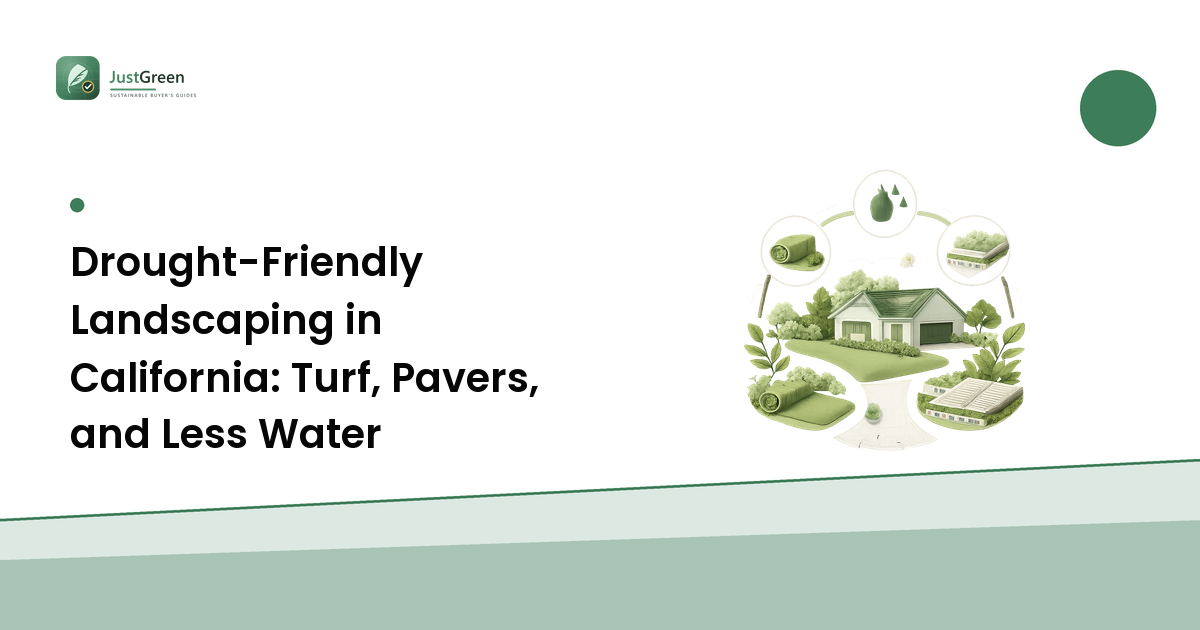
- Choose plants that suit your spot. A plant matched to your light and climate — especially a native one — mostly thrives on its own, while a mismatched plant needs constant rescue.
- Let nature do the work. Pollinators and predator insects keep problems in check for free once you invite them in with varied flowers and a few wild corners.
If you're starting from scratch, our beginner's guide to eco-friendly gardening walks through soil, plants, and pollinators step by step. The principle is the same as indoors: build something resilient once, and it asks less of you every year after.
Water-Wise, Inside and Out
Water is the resource we waste most casually, and heating it is where a lot of home energy quietly goes. Indoors, the cheap fixes come first: fix drips, fit aerators and an efficient shower head, run full loads, and choose the eco cycle. These cost little and pay back in both water and energy bills.
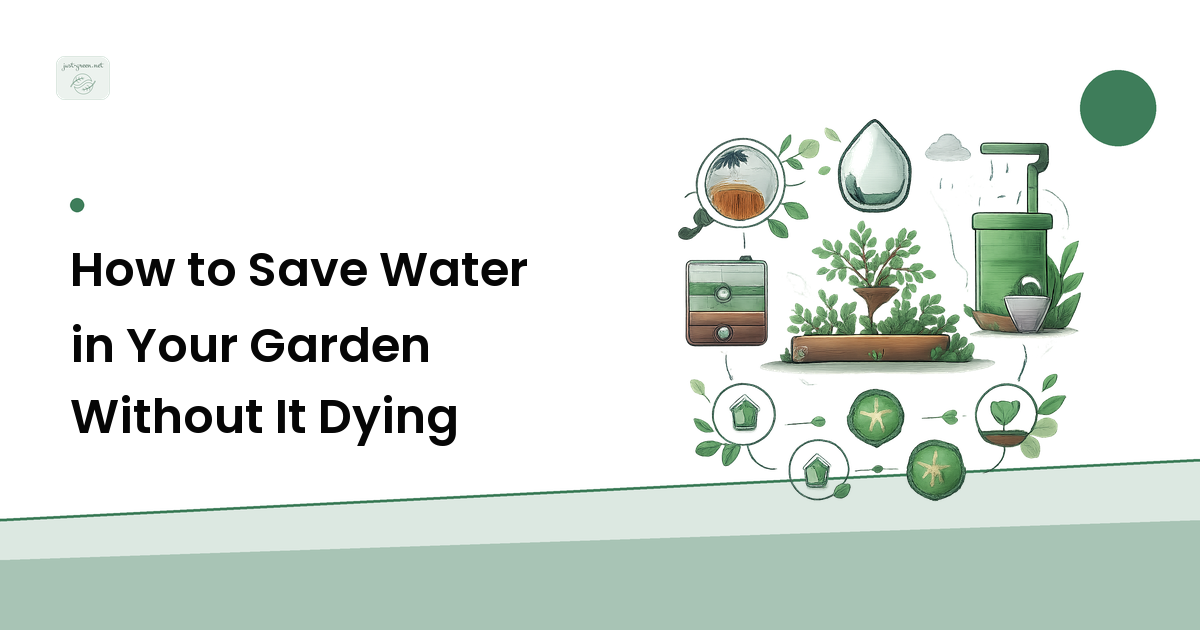
Outdoors, the trick is changing when, where, and what you water, not just doing less. Water deeply but less often so roots grow down and become drought-tolerant, water in the cool of morning or evening so less evaporates, and aim at the soil rather than the leaves. Mulch holds moisture in the ground, and a rain barrel turns roof runoff into free irrigation. Our guide to saving water in the garden goes deeper, but the headline is that a garden can drink far less and stay perfectly healthy.
How to Spend Without Getting Sold To
Because a greener home does involve some buying, the framing matters more than any single product. Before you buy, run it through a short, honest checklist:
- Do I need it, or can I repair or reuse what I have? The cheapest, greenest option is often no purchase at all.
- Will it last? Favour durability and repairability over the lowest price and over the loudest eco-claim.
- Is the green claim specific and checkable? "Greener than what, and proven how?" A vague word on leafy packaging has earned nothing; an independently certified, comparative claim may have earned your money.
- What happens at the end of its life? Prefer things you can recycle, compost, or pass on.
That's the whole discipline. When a choice genuinely matters — the appliance you'll run for a decade, the material that'll live in your home for years — it's worth comparing options properly on durability, materials, running cost, and end-of-life rather than trusting the front of the box. That kind of head-to-head comparison is exactly what the picks on our main site are for.
A Simple Plan to Start
- Fix and maintain first. Draught-proof, service, and repair before you buy anything new.
- Insulate the biggest gaps. Put your first real money into stopping heat escaping.
- Replace only on failure, and replace well. When an essential wears out, choose the durable, efficient version — and compare before you commit.
- Sort out water. Cheap fittings indoors; smarter timing and mulch outdoors.
- Green the garden slowly. Feed the soil, choose suitable plants, and let nature take over.
Do these in order and you'll spend less, waste less, and end up with a home and garden that quietly cost less to run — without a single guilt-driven purchase.
Frequently Asked Questions
Do I have to renovate to have a sustainable home?
No — and usually you shouldn't. The highest-value steps are maintenance, sealing gaps, insulating, and replacing worn-out essentials with efficient ones over time. Renovating a functional home purely to make it "greener" often creates more waste and cost than it saves. Improve what you have, and upgrade as things naturally wear out.
Are natural materials always more eco-friendly than synthetic ones?
Not automatically. A durable synthetic item kept for years can beat a natural one that wears out and gets replaced. The better test is how long something lasts, how much it uses in daily life, and what happens to it at the end. Natural materials often score well on those, but durability and full-life impact matter more than the label "natural."
Which home upgrade gives the biggest environmental return?
For most homes, sealing and insulating — because it saves energy every day for decades with no ongoing cost. It's rarely the most exciting purchase, but it usually outperforms visible, aspirational upgrades. Efficient replacements for things you use constantly come next.
Is a greener home always more expensive?
Upfront, sometimes. Over time, often the opposite. Durability, repair, insulation, and water-saving fittings all lower your running costs and mean buying less, which adds up in your favour. The genuinely expensive path is buying cheap, short-lived things repeatedly.
How do I avoid overpaying for products that just look eco?
Ask "greener than what, and proven how?" Trust specific, comparative, independently certified claims and distrust vague words on leafy packaging. For anything you'll keep for years, compare real options on durability, materials, running cost, and end-of-life rather than the marketing on the front.
Start With One Layer
A sustainable home and garden isn't built in a weekend or bought in a single trip — it's built one durable, well-chosen layer at a time. Pick one step from the plan above and start there this month. And when a choice genuinely matters and it's time to buy, don't guess from the packaging — see how the greenest home and garden options compare on durability, materials, and honest trade-offs at Just Green, so your money goes to the things that actually earn it.