Most household waste comes from a few predictable sources, and most of it can be trimmed without turning your life upside down. You don't need to go fully zero-waste or buy a cupboard of special products to throw away noticeably less. You need to know where your waste actually comes from, focus on reducing it at the source first, and recycle and compost the rest properly so it doesn't end up in landfill anyway.
This guide walks through that order: see what's filling your bin, cut the biggest streams before you buy anything, compost and recycle what's left correctly, and check whether it worked. Greener and cheaper often line up here — buying less and wasting less food saves money — but where a "green" swap costs more for little gain, we'll say so plainly.
Where household waste actually comes from
Before changing anything, it helps to know what's in the bin. For most homes, the bulk of household waste falls into a handful of categories: food waste, packaging (especially plastic), paper and cardboard, and the occasional bulky or single-use item. Food and packaging are usually the two biggest, which is why they're where your effort pays off most.
That order matters. Obsessing over a rare item while throwing out food and packaging every day is effort spent in the wrong place. Spend your attention on the streams you generate constantly, not the ones you notice occasionally.
Step 1: Reduce first — it's the only step that prevents waste
Recycling gets the attention, but reducing is the part that actually keeps material out of the system entirely. The well-known order — reduce, reuse, then recycle — is ranked that way on purpose: each step is better than the one after it, because the best waste is the waste that never exists.
A few high-impact reductions:
- Cut food waste. This is the single biggest win in most homes. Plan meals before shopping, store food properly so it lasts, and use up what you have before buying more. It reduces waste and your grocery bill at the same time, which is why it tops the list.
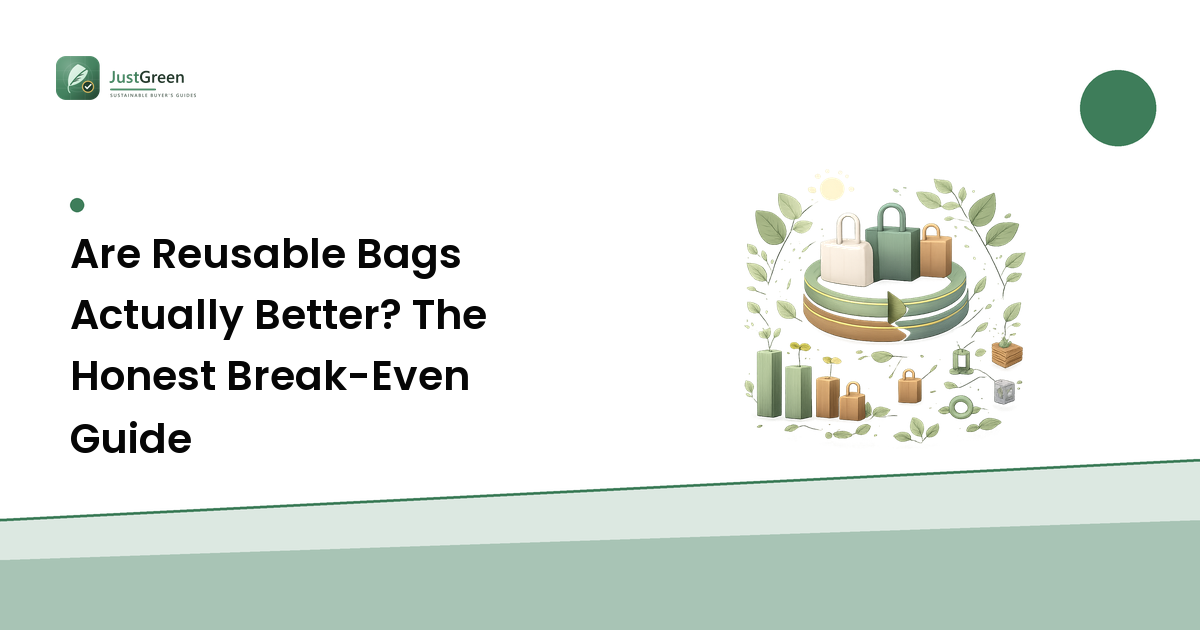
- Refuse single-use where it's easy. A reusable bag, bottle, and coffee cup replace a steady stream of disposables. Keep them where you'll actually grab them, or you won't use them.
- Buy with packaging in mind. Choose loose produce over shrink-wrapped, larger sizes over individually wrapped portions, and concentrates over pre-diluted products. Less packaging in means less packaging out.
The honest caveat: "reduce" sometimes means buying less, full stop, which no product can sell you. That's exactly why it works — and why it costs nothing.
Step 2: Reuse what you'd otherwise toss
Reuse extends the life of things you already own before they become waste. It's not about saving every jar forever; it's about a few practical habits.
Refill containers instead of replacing them. Repurpose glass jars and sturdy tubs for storage. Repair clothes, furniture, and small appliances when the fix is realistic rather than replacing them at the first fault. Pass on what you no longer need — donating or selling keeps usable items in circulation instead of in landfill.
The trade-off to be honest about: reuse takes a little time and storage, and not everything is worth keeping. Hold onto what you'll genuinely use, and let the rest move on rather than cluttering your home in the name of being green.
Step 3: Compost the food and garden waste
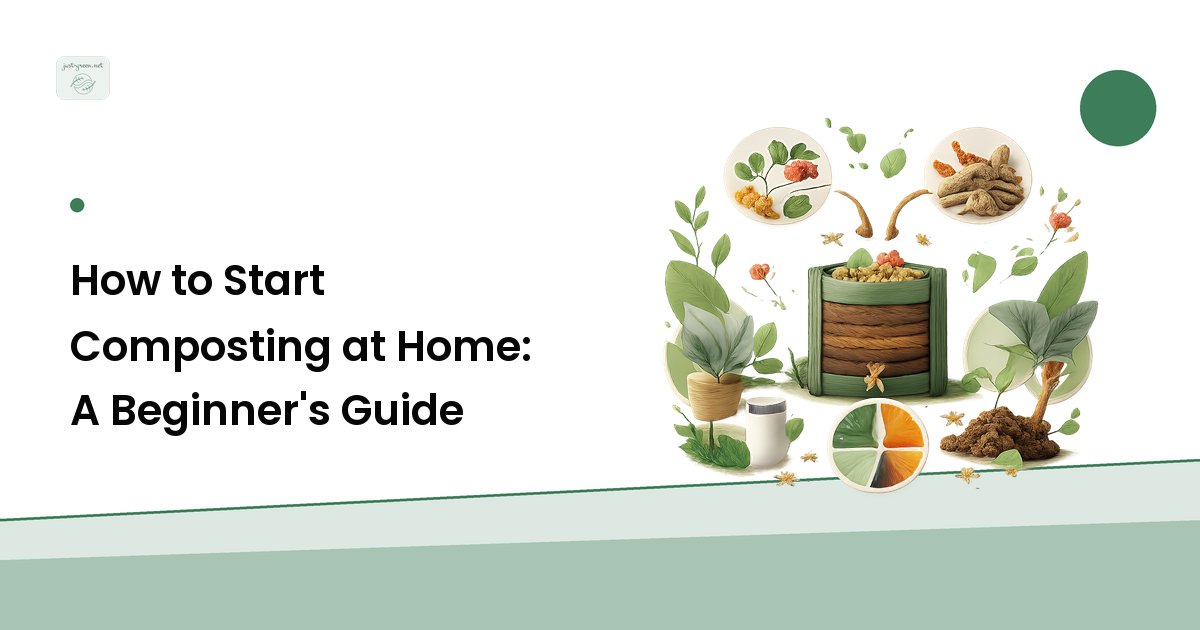
If food waste is the biggest stream in your bin, composting is the highest-impact thing you can do with what's left after reducing. Food rotting in landfill produces methane; composted at home, the same scraps become something useful for your soil.
You don't need a garden to start:
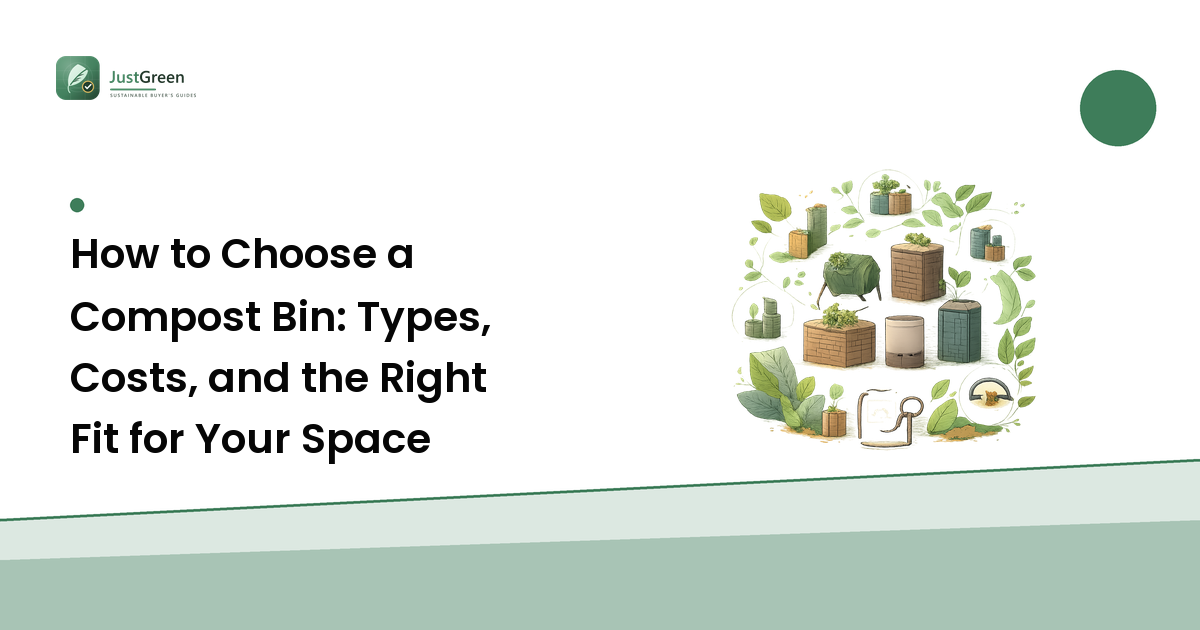
- Outdoor compost bin or heap — best if you have a yard. Layer "greens" (food scraps, grass) with "browns" (dry leaves, cardboard) and turn it occasionally.
- Worm bin (vermicomposting) — compact enough for a balcony or utility room, and efficient at processing kitchen scraps.
- Council or community collection — many areas collect food waste separately. If yours does, using it correctly is the easiest option of all.
Keep meat, dairy, and oily food out of a basic home compost — they attract pests and break down poorly — unless you're using a system designed for them. Starting simple beats an elaborate setup you abandon.
Step 4: Recycle right — quality over quantity
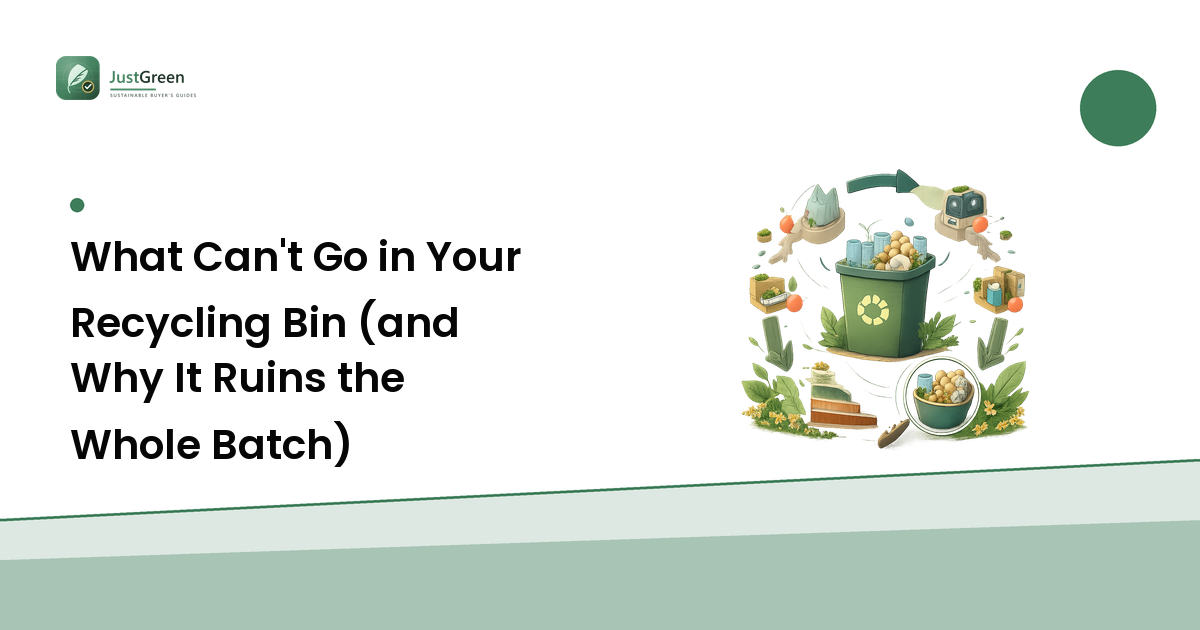
Recycling only works if it's done correctly, and "wishcycling" — tossing something in the recycling because you hope it's recyclable — does real harm. Contaminated batches can send otherwise-good recycling to landfill.
A few rules that make recycling actually count:
- Know your local rules. Accepted materials vary by area, so check what your specific collection takes rather than assuming. This single step prevents most mistakes.
- Empty and rinse containers. Food residue contaminates other recyclables. A quick rinse is usually enough.
- Keep it loose and separated. Don't bag recyclables unless told to, and separate materials your program requires.
- When in doubt, leave it out. A wrong item in the recycling can spoil more than just itself. If you're unsure and can't check, the bin is the safer choice.
Recycling is the last resort in the order for a reason: it's better than landfill, but it still uses energy and never recovers everything. It's the safety net, not the strategy.
How to tell if it's working
This is the step people skip, and it's the one that shows the truth. You don't need to weigh your rubbish. Just watch how often you fill and put out your bins. If your general-waste bin takes longer to fill, or you're putting it out less often, your changes are working. If the recycling and compost are growing while general waste shrinks, that's exactly the shift you want.
Give it a month or two — habits take time to show up in the bin — then adjust. If a change didn't move anything, drop it and put the effort somewhere that does.
A simple order of operations
- See the waste — notice your two biggest streams, usually food and packaging.
- Reduce — cut food waste, refuse easy single-use items, buy less packaging.
- Reuse — refill, repurpose, repair, and pass on what you can.
- Compost — divert food and garden scraps from landfill.
- Recycle right — clean, sorted, and by your local rules.
- Check the bin — track how often it fills to confirm the change.
FAQ
What's the most effective way to reduce household waste?
Cutting food waste, for most homes. It's typically the largest stream, and reducing it lowers both your bin volume and your grocery bill. Plan meals, store food well, and use what you have before buying more.
Is recycling enough on its own?
No. Recycling is the last and weakest step in the reduce-reuse-recycle order because it still uses energy and never recovers everything. Reducing what you buy and waste prevents waste entirely, which is why it comes first.
Do I need a garden to compost?
No. A worm bin works on a balcony or in a utility room, and many councils collect food waste for you. A garden helps for a traditional compost heap, but it isn't required to keep scraps out of landfill.
Why can't I recycle everything that has a recycling symbol?
Because acceptance depends on your local facility, not just the symbol. An item may be technically recyclable but not collected in your area. Always check your local rules, and when unsure, leave it out rather than risk contaminating the batch.
Are reusable products always greener than disposables?
Usually, but only if you actually reuse them enough times to offset the resources used to make them. A reusable bottle or bag you use for years is clearly better; one bought and forgotten isn't. Use what you already own before buying new "eco" versions.
Next step
Don't try to overhaul everything at once. Pick the one waste stream your household produces most — usually food or packaging — and cut it at the source this week. Then check your bin in a month to see if it shrank. While you're trimming waste, it's worth tackling wasted energy too; our home energy efficiency guide follows the same find-it, fix-the-cheap-things, measure-it approach.